

1. Beacon Activation
Emergency beacons (EPIRBs, ELTs, PLBs) transmit distress signals at 406.025 MHz when activated manually or automatically.

60,000+ lives saved since 1982
The Cospas-Sarsat system detects distress signals from emergency beacons and relays location data to rescue coordination centers worldwide.
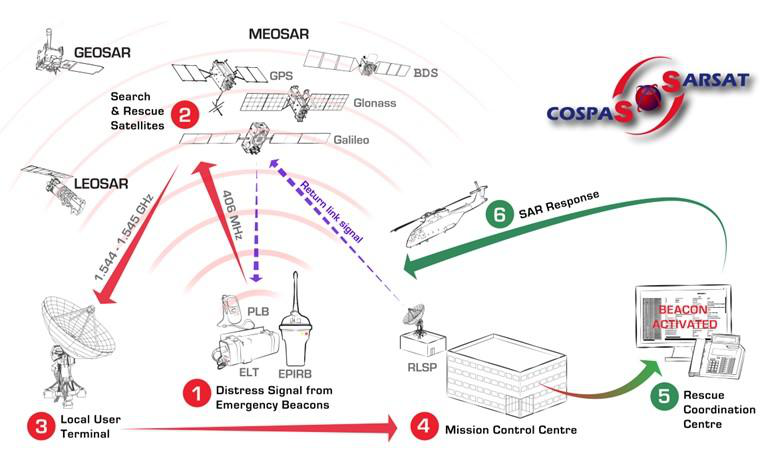
1. Beacon Activation
Emergency beacons (EPIRBs, ELTs, PLBs) transmit distress signals at 406.025 MHz when activated manually or automatically.
2. Satellite Detection
LEOSAR, MEOSAR, and GEOSAR satellites receive the 406 MHz signal and relay it to ground stations.
3. Position Calculation
Local User Terminals process the signal, calculate position via Doppler shift or GPS data embedded in the message.
4. Rescue Dispatch
Mission Control Centers alert the appropriate Rescue Coordination Center, which dispatches SAR assets.
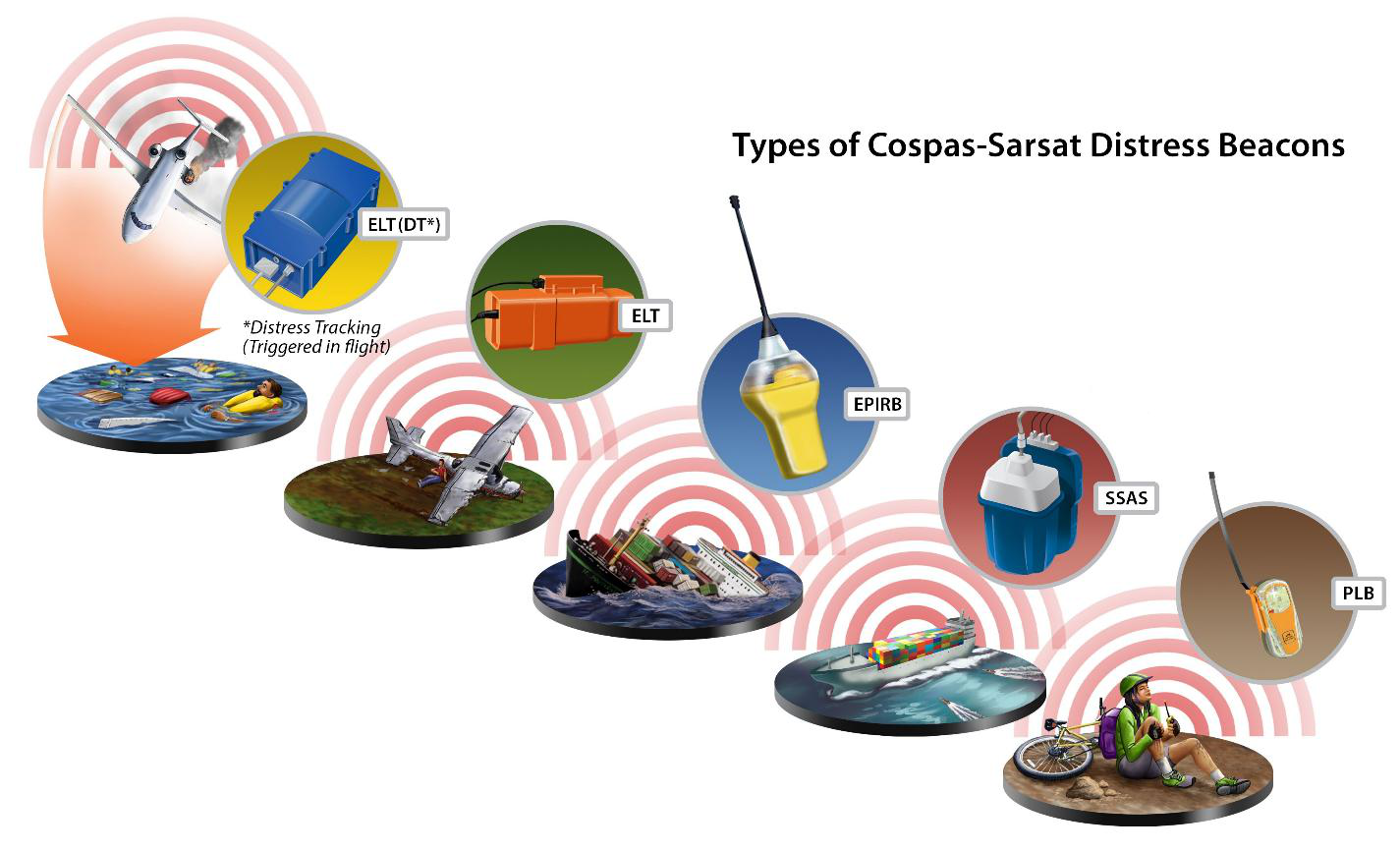
| Beacon Type | Use Case | Activation |
|---|---|---|
| EPIRB | Maritime vessels | Float-free or manual |
| ELT | Aircraft | Crash-activated or manual |
| PLB | Personal/hikers | Manual only |
| SSAS | Ship security alerts | Covert manual |
gr-sarsat-modern provides three GNU Radio blocks that form a complete decoder:
Biphase-L Decoder
Decodes Manchester/Biphase-L encoded symbols with 2:1 decimation. Handles the 400 bps baseband signal.
PDS Frame Sync
Detects the 24-bit frame synchronization pattern and extracts 72-byte Processed Digital Signals frames.
SARP Extractor
Splits PDS frames into 24-byte SARP messages, validates sync words, and outputs decoded beacon data.
| Parameter | Value |
|---|---|
| Frequency | 406.025 MHz (±2 kHz) |
| Modulation | Phase modulation |
| Data Rate | 400 bps ±1% |
| Power | 5W (+37 dBm) typical |
| Burst Duration | 440ms (short) / 520ms (long) |
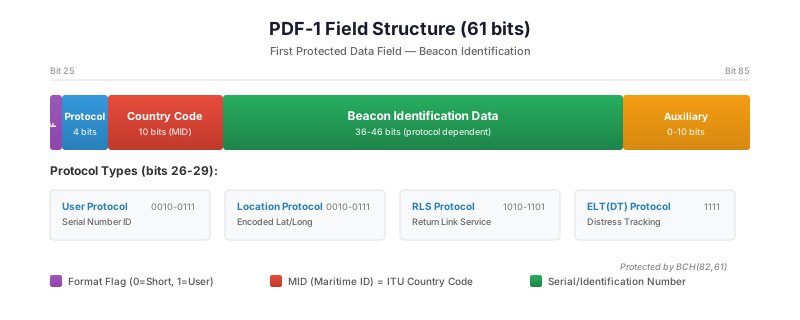
Cospas-Sarsat beacons transmit in two formats: Short (112 bits) for basic identification and Long (144 bits) with encoded location data.
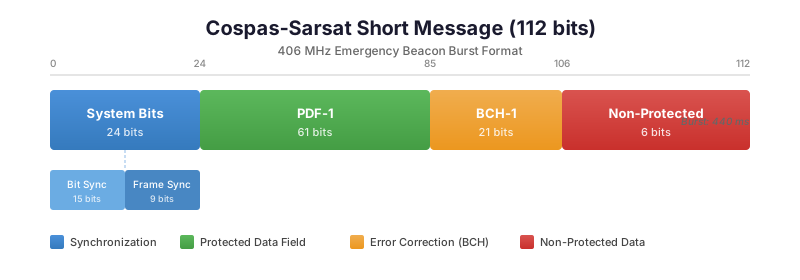
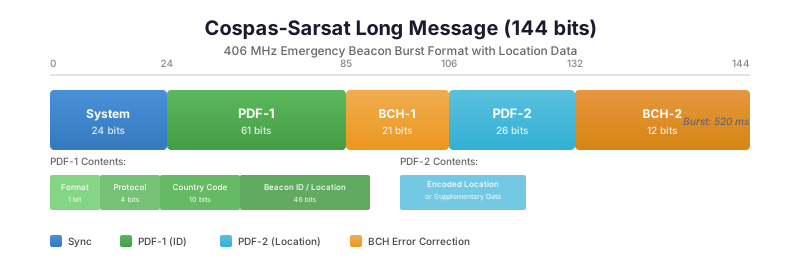
The first Protected Data Field contains the beacon’s identity — country code, protocol type, and unique identifier.

First Cospas-Sarsat rescue — September 1982, Canada